









Journal of Agricultural Science and Technology ›› 2025, Vol. 27 ›› Issue (11): 174-185.DOI: 10.13304/j.nykjdb.2025.0643
• BIO-MANUFACTURING & RESOURCE AND ECOLOGY • Previous Articles
Kun CHENG( ), Sen ZHANG, Shuaitao HUANG, Zhenling MA, Yongcai WANG()
Received:2025-09-02
Accepted:2025-10-16
Online:2025-11-15
Published:2025-11-17
Contact:
Yongcai WANG
程琨(), 张森, 黄帅涛, 马振玲, 王永才()
通讯作者:
王永才
作者简介:程琨 E-mail:chengkun881111@foxmail.com;
基金资助:CLC Number:
Kun CHENG, Sen ZHANG, Shuaitao HUANG, Zhenling MA, Yongcai WANG. Research on Development of Agricultural Synthetic Biology and Public Risk Prevention and Control[J]. Journal of Agricultural Science and Technology, 2025, 27(11): 174-185.
程琨, 张森, 黄帅涛, 马振玲, 王永才. 农业合成生物学发展与公共风险防控研究[J]. 中国农业科技导报, 2025, 27(11): 174-185.
Add to citation manager EndNote|Ris|BibTeX
URL: https://nkdb.magtechjournal.com/EN/10.13304/j.nykjdb.2025.0643
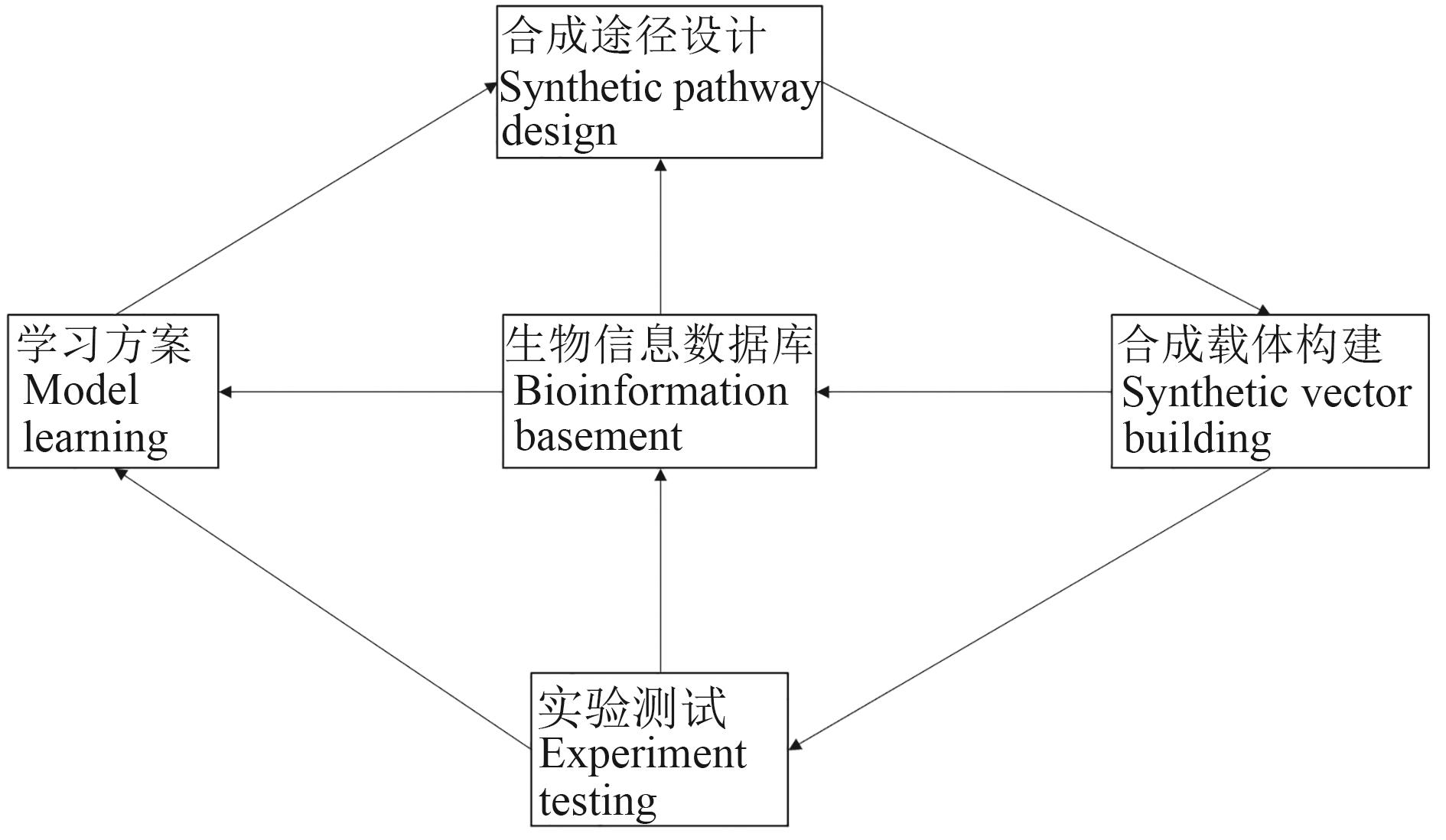
Fig. 1 DBTL loop[7]
| [1] | MCMICHAEL A J. Impact of climatic and other environmental changes on food production and population health in the coming decades [J]. Proc. Nutr. Soc., 2001, 60(2): 195-201. |
| [2] | FALCON W P, NAYLOR R L, SHANKAR N D. Rethinking global food demand for 2050 [J]. Popul. Dev. Rev., 2022, 48(4): 921-957. |
| [3] | HE C, LIU H, CHEN D, et al.. CRISPR-Cereal: a guide RNA design tool integrating regulome and genomic variation for wheat, maize and rice [J]. Plant Biotechnol. J., 2021, 19(11): 2141-2143. |
| [4] | 李新海, 谷晓峰, 马有志, 等. 农作物基因设计育种发展现状与展望[J].中国农业科技导报, 2020, 22(8): 1-4. |
| LI X H, GU X F, MA Y Z, et al.. Current status and perspectives in the development of crop genomic design breeding [J]. J. Agric. Sci. Technol., 2020, 22(8):1-4. | |
| [5] | WANG J, ZHOU L, SHI H, et al.. A single transcription factor promotes both yield and immunity in rice [J]. Science, 2018, 361(6406): 1026-1028. |
| [6] | LI S, LIN D, ZHANG Y, et al.. Genome-edited powdery mildew resistance in wheat without growth penalties [J]. Nature, 2022, 602(7897): 455-460. |
| [7] | ROY S S, TAGUCHI Y H. Handbook of Machine Learning Applications for Genomics [M]. Singapore; Springer Nature Singapore, 2022: 145-153. |
| [8] | JUMPER J, EVANS R, PRITZEL A, et al.. Highly accurate protein structure prediction with AlphaFold [J]. Nature, 2021, 596(7873): 583-589. |
| [9] | TEMME K, ZHAO D, VOIGT C A. Refactoring the nitrogen fixation gene cluster from Klebsiella oxytoca [J]. Proc. Natl. Acad. Sci. USA, 2012, 109(18): 7085-7090. |
| [10] | WANG L, XIAO Y, WEI X, et al.. Highly efficient CRISPR-mediated base editing in Sinorhizobium meliloti [J/OL]. Front. Microbiol., 2021, 12: 686008 [2025-08-20]. . |
| [11] | CHEN X, HE C, ZHANG Q, et al.. Modularized design and construction of tunable microbial consortia with flexible topologies [J]. ACS Synth. Biol., 2024, 13(1): 183-194. |
| [12] | HOFFMANN S A, CAI Y. Engineering stringent genetic biocontainment of yeast with a protein stability switch [J/OL]. Nat. Commun., 2024, 15(1): 1060 [2025-08-20]. . |
| [13] | NÈGRE D, AITE M, BELCOUR A, et al.. Genome-scale metabolic networks shed light on the carotenoid biosynthesis pathway in the brown algae Saccharina japonica and Cladosiphon okamuranus [J/OL]. Antioxidants (Basel), 2019, 8(11): 564 [2025-08-20]. . |
| [14] | HE L, SUI Y, CHE Y, et al.. New insights into the genetic basis of lysine accumulation in rice revealed by multi-model GWAS [J/OL]. Int. J. Mol. Sci., 2024, 25(9): 4667 [2025-08-20]. . |
| [15] | KHAN M H, MUKHTAR Z, ARSHAD M, et al.. Development and evaluation of synthetic vip3a gene in transgenic cotton for protection against chewing insect pests [J]. Int. J. Agric. Biol., 2021, 25(1): 211-221 |
| [16] | KUSHWAHA M, SALIS H M. A portable expression resource for engineering cross-species genetic circuits and pathways [J/OL]. Nat. Commun., 2015, 6: 7832 [2025-08-20]. . |
| [17] | ENCISO-RODRIGUEZ F, MANRIQUE-CARPINTERO N C, NADAKUDUTI S S, et al.. Overcoming self-incompatibility in diploid potato using CRISPR-Cas9 [J/OL]. Front. Plant Sci., 2019, 10: 376 [2025-08-20]. . |
| [18] | HOU X, GUO X, ZHANG Y, et al.. CRISPR/Cas genome editing system and its application in potato [J/OL]. Front. Genet., 2023, 14: 1017388 [2025-08-20]. . |
| [19] | JIANG B, GAO L, WANG H, et al.. Characterization and heterologous reconstitution of Taxus biosynthetic enzymes leading to baccatin Ⅲ [J]. Science, 2024, 383(6683): 622-629. |
| [20] | 李江琦,黄煜文,朱建华,等.青蒿素及其衍生物的生物合成[J].生命的化学,2024,44(7):1281-1290. |
| LI J Q, HUANG Y W, ZHU J H, et al.. The biosynthesis of artemisinin and its derivatives [J]. Chem. Life, 2024, 44(7): 1281-1290. | |
| [21] | GAO J, ZUO Y, XIAO F, et al.. Biosynthesis of catharanthine in engineered Pichia pastoris [J]. Nat. Synth, 2023, 2(3): 231-242. |
| [22] | YANG J S, REYNA-LLORENS I. Plant synthetic biology: exploring the frontiers of sustainable agriculture and fundamental plant biology [J]. J. Exp. Bot., 2023, 74(13): 3787-3790. |
| [23] | DAVIS W G, BONINI-PIRES C A, RUIZ-DIAZ D A, et al.. Pivot bio proven inoculant as a source of nitrogen in corn [J/OL]. Kans. Agric. Exp. Sta. Res. Rep., 2020, 6(9):7975 [2025-08-20]. . |
| [24] | YAMAMOTO T. Engineering of Bacillus thuringiensis insecticidal proteins [J]. J. Pestic. Sci., 2022, 47(2): 47-58. |
| [25] | YANG Y, ZHAO X, HUANG M, et al.. Multispectral image based germination detection of potato by using supervised multiple threshold segmentation model and canny edge detector [J/OL]. Comput. Electron. Agric., 2021, 182: 106041 [2025-08-20]. . |
| [26] | WANG X, YUE Y, ZHAI Y, et al.. Functional redundancy in the toxic pathway of Bt protein Cry1Ab, but not Cry1Fa, against the Asian corn borer [J/OL]. Proc.Natl. Acad. Sci. USA, 2025, 122(16): e2503674122 [2025-08-20]. |
| [27] | KARAVOLIAS N G, PATEL-TUPPER D, GALLEGOS-CRUZ A, et al.. Engineering quantitative stomatal trait variation and local adaptation potential by Cis-regulatory editing [J]. Plant Biotechnol. J., 2024, 22(12): 3442-3452. |
| [28] | CHAVHAN R L, JAYBHAYE S G, HINGE V R, et al.. Emerging applications of gene editing technologies for the development of climate-resilient crops [J/OL]. Front. Genome, 2025, 7:1524767 [2025-08-20]. |
| [29] | HERAWATI R, MASDAR M, SUTRAWATI M, et al.. Improving drought resistance by introduction of the proline synthesis gene P5CSA into inbred rice lines as a new genetic resource for breeding programs [J/OL]. Research Square Platform LLC., 2023, 29(6): 3182 [2025-08-20]. . |
| [30] | MUNNS R, JAMES R A, XU B, et al.. Wheat grain yield on saline soils is improved by an ancestral Na⁺ transporter gene [J]. Nat. Biotechnol., 2012, 30(4): 360-364. |
| [31] | SATTARI VAYGHAN H, NAWROCKI W J, SCHIPHORST C, et al.. Photosynthetic light harvesting and thylakoid organization in a CRISPR/Cas9 Arabidopsis thaliana LHCB1 knockout mutant [J/OL]. Front. Plant Sci., 2022, 13: 833032 [2025-08-20]. . |
| [32] | HANSON M R, LIN M T, CARMO-SILVA A E, et al.. Towards engineering carboxysomes into C3 plants [J]. Plant J., 2016, 87(1): 38-50. |
| [33] | PERDOMO J A, DEGEN G E, WORRALL D, et al.. Rubisco activation by wheat rubisco activase isoform 2β is insensitive to inhibition by ADP [J]. Biochem. J., 2019, 476(18): 2595-2606. |
| [34] | JEONG Y S, KU H K, KIM J K, et al.. Effect of codon optimization on the enhancement of the β-carotene contents in rice endosperm [J]. Plant Biotechnol. Rep., 2017, 11(3): 171-179. |
| [35] | KAMRAN A, GHAZANFAR M, KHAN J S, et al.. Zinc absorption through leaves and subsequent translocation to the grains of bread wheat after foliar spray [J/OL]. Agriculture, 2023, 13(9): 1775 [2025-08-20]. . |
| [36] | MANN V, HARKER M, PECKER I, et al.. Metabolic engineering of astaxanthin production in tobacco flowers [J]. Nat. Biotechnol., 2000, 18(8): 888-892. |
| [37] | TANWAR N, ROOKES J E, CAHILL D M, et al.. Carotenoid pathway engineering in tobacco chloroplast using a synthetic operon [J]. Mol. Biotechnol., 2023, 65(11): 1923-1934. |
| [38] | LI N, LIU X, CHEN Y, et al.. Creating ultra-high linolenic acid Camelina by co-expressing AtFAD2sm with synonymous mutations and BnFAD3 in the fae1 mutant [J]. Plant Biotechnol. J., 2025, 23(10): 4536-4538. |
| [39] | SHI L, ZHAO H, LIU H, et al.. Development of novel transgene-free high-oleic peanuts through CRISPR-Cas9-mediated gene editing of two AhFAD2 homologues [J]. Plant Biotechnol. J., 2025, 23(10): 4618-4620. |
| [40] | YADAV A, MUDOI K D, KUMAR N, et al.. Auxin biosynthesis by Microbacterium testaceum Y411 associated with orchid aerial roots and their efficacy in micropropagation [J/OL]. Front. Plant Sci., 2022, 13:1037109 [2025-08-20]. . |
| [41] | SINGH D P, PRABHA R, RENU S, et al.. Agrowaste bioconversion and microbial fortification have prospects for soil health, crop productivity, and eco-enterprising [J]. Int. J. Recycl. Org. Waste Agric., 2019, 8(1): 457-472. |
| [42] | FENTAW J W, EMADI H, HUSSAIN A, et al.. Geochemistry in geological CO2 sequestration: a comprehensive review [J/OL]. Energies, 2024, 17(19): 5000 [2025-08-20]. . |
| [43] | TIMMERMANN T, YIP C, YANG Y Y, et al.. Harnessing microbes to weather native silicates in agricultural soils for scalable carbon dioxide removal [J/OL]. Glob. Chang. Biol., 2025, 31(5): e70216 [2025-08-20]. . |
| [44] | LIU Y, WANG W, YANG B, et al.. Functional analysis of the teosinte branched 1 gene in the tetraploid switchgrass (Panicum virgatum L.) by CRISPR/Cas9-directed mutagenesis [J]. Front. Plant Sci., 2020, 11:572193 [2025-08-20]. . |
| [45] | CELLO J, PAUL A V, WIMMER E. Chemical synthesis of poliovirus cDNA: generation of infectious virus in the absence of natural template [J]. Science, 2002, 297(5583): 1016-1018. |
| [46] | DIEULIIS D, GRONVALL G K. A holistic assessment of the risks and benefits of the synthesis of horsepox virus [J/OL]. mSphere, 2018, 3(2): e00074-18 [2025-08-20]. . |
| [47] | REPORT C. CDC report on the potential exposure to Anthrax [J]. Int. Microbiol., 2014, 17(2): 119-127. |
| [48] | LÉGÈRE A. Risks and consequences of gene flow from herbicide-resistant crops: canola (Brassica napus L) as a case study [J]. Pest Manage. Sci., 2005, 61(3): 292-300. |
| [49] | ZHAO X, LU W, QI C, et al.. Assessment on alien herbicide-resistant gene flow among crucifers by sexual compatibility [J]. Chin. Sci. Bull., 2005, 50(15): 1605-1612. |
| [50] | LOSEY J E, RAYOR L S, CARTER M E. Transgenic pollen harms monarch larvae [J/OL]. Nature, 1999, 399(6733): 214 [2025-08-20]. . |
| [51] | HENDRIKSMA H P, KÜTING M, HÄRTEL S, et al.. Effect of stacked insecticidal Cry proteins from maize pollen on nurse bees (Apis mellifera Carnica) and their gut bacteria [J/OL]. PLoS One, 2013, 8(3): e59589 [2025-08-20]. . |
| [52] | TYAGI S, KESIRAJU K, SAAKRE M, et al.. Genome editing for resistance to insect pests: an emerging tool for crop improvement [J]. ACS Omega, 2020, 5(33): 20674-20683. |
| [53] | FAN K, DELGADO-BAQUERIZO M, GUO X, et al.. Suppressed N fixation and diazotrophs after four decades of fertilization [J/OL]. Microbiome, 2019, 7(1): 143 [2025-08-20]. . |
| [54] | LIU H, QIU Z, YE J, et al.. Effective colonisation by a bacterial synthetic community promotes plant growth and alters soil microbial community [J]. J. Sustain. Agric. Environ., 2022, 1(1): 30-42. |
| [55] | 孙韬, 宋洁, 董姗姗, 等. 合成微生物的环境风险防控与检测技术研究进展[J]. 环境科学研究, 2024, 37(10): 2247-2259. |
| SUN T, SONG J, DONG S S, et al.. Advances in environmental risk prevention, control, and detectiontechnologies for synthetic microorganisms [J]. Res. Environ. Sci., 2024, 37(10):2247-2259. | |
| [56] | 雷瑞鹏, 邱仁宗. 合成生物学的伦理和治理问题[J]. 医学与哲学, 2019, 40(19): 6. |
| LEI R P, QIU R Z. Ethical and governance issues in synthetic biology [J]. Med. Philosophy, 2019, 40(19):6. | |
| [57] | MULLINS E, BRESSON J L, et al.. Criteria for risk assessment of plants produced by targeted mutagenesis, cisgenesis and intragenesis [J/OL]. EFSA J., 2022, 20(10): e07618 [2025-08-20]. . |
| [58] | WANG Y, HU Y C, LU J X, et al.. Chronic toxicity of genetically modified maize with Cry1Ab-ma gene and its effect on serum metabolites in rats [J]. J. Agric. Food Chem., 2023, 71(11): 4729-4735. |
| [59] | DRAPAL M, ENFISSI E M A, ALMEIDA J, et al.. The potential of metabolomics in assessing global compositional changes resulting from the application of CRISPR/Cas9 technologies [J]. Transgenic Res., 2023, 32(4): 265-278. |
| [60] | KITTREDGE H A, DOUGHERTY K M, EVANS S E. Dead but not forgotten: how extracellular DNA, moisture, and space modulate the horizontal transfer of extracellular antibiotic resistance genes in soil [J/OL]. Appl. Environ. Microbiol., 2022, 88(7): e02280-21 [2025-08-20]. . |
| [61] | ATES A, TASTAN C, ERMERTCAN S. Precision genome editing unveils a breakthrough in reversing antibiotic resistance: CRISPR/Cas9 targeting of multi-drug resistance genes in methicillin-resistant Staphylococcus aureus [J/OL]. bioRxiv, 2023, 31(12):573511 [2025-08-20]. . |
| [62] | 贺晓云, 黄昆仑, 徐彤晓. 生物育种产品食用安全评价研究进展[J]. 中国农业科技导报, 2022, 24(12): 153-159. |
| HE X Y, HUANG K L, XU T X. Research progress on food safety evaluation of biologicalbreeding products [J]. J. Agric. Sci. Technol., 2022, 24(12): 153-159. | |
| [63] | ORGANIC G. International organic farming group IFOAM declares opposition to CRISPR gene-edited crops [EB/OL]. Genetic Literacy Project. International organic farming group (IFOAM) declares opposition to CRISPR, gene-edited crops [EB/OL]. (2018-02-07)[2025-08-20]. . |
| [64] | 杜立, 王萌. 合成生物学技术制造食品的商业化法律规范[J].合成生物学, 2020, 1(5): 593-608. |
| DU L, WANG M. The legal issues about commercialization of food products employingsynthetic biology strategies [J].Synthetic Biol. J., 2020, 1(5): 593-608. | |
| [65] | 李欣诺, 蒲娜娜, 刘猛, 等. 国外作物种业优秀发展经验及对中国种业发展的思考[J]. 农业展望, 2024, 20(7): 59-67. |
| [66] | LI X N, PU N N, LIU M, et al.. Excellent development experience of foreign crop seed industryand the thinking on the development of China [J]. Agric. Outlook, 2024, 20(7): 59-67. |
| [67] | 刘标, 方志翔, 郑央萍, 等. 盐城棉区棉铃虫田间种群对Bt蛋白的抗性基因频率[J].生物安全学报, 2014, 23(4): 253-255, 270. |
| LIU B, FANG Z X, ZHENG Y P, et al.. Frequency of resistance alleles to Bt toxin in the populationsof Helicoverpa armigera (Hübner) from cotton fieldsin Yancheng, Jiangsu province [J]. J. Biosafety, 2014, 23(4): 253-255, 270. | |
| [68] | JERRY P. Biomass roadmap [J]. BioFuels J., 2012, 10(2):8-9. |
| [69] | SINGH R. The national bioeconomy blueprint: meeting grand challenges [J]. Ind. Biotechnol., 2012, 8(3): 94-96. |
| [70] | TIM L. Evaluation of the generally recognized as safe (GRAS) status of lemna leaf protein as a food ingredient [EB/OL] [2025-08-20]. . |
| [71] | The European Commission Regulation (EU) 2015/2283 of the European parliament and of the council of 25 november 2015 on novel foods, amending regulations (EC) No 258/97 and (EU) No 1169/2011 and repealing regulation (EC) No 258/97 [EB/OL].(2025-12-11) [2025-08-20]. . |
| [72] | Cartagena protocol on biosafety to the convention on biological diversity[EB/OL].(2000-01-29) [2025-08-20]. , . |
| [73] | 中华人民共和国国务院.农业转基因生物安全管理条例 [EB/OL].(2001-05-23) [2025-08-20]. . |
| [74] | Genetic technology (precision breeding) act 2023 the genetic technology (precision breeding) regulations 2025[EB/OL].(2025-05-13) [2025-08-20]. . |
| [75] | The Royal Academy of Engineering. Synthetic biology: public dialogue on synthetic biology (2009) [EB/OL].(2009-06-30) [2025-08-20]. |
| [76] | Ministry of Agriculture, Fisheries, Ministry of Health, et al.. Plant protection act,food sanitation act [EB/OL].(1950-05-04) [2025-08-20]. . |
| [77] | 中华人民共和国农业农村部.2024年农业基因编辑生物安全证书(生产应用)批准清单[EB/OL].(2024-05-08) [2025-08-20].. |
| [78] | EPSTEIN M M, VERMEIRE T. Scientific opinion on risk assessment of synthetic biology [J]. Trends Biotechnol., 2016, 34(8): 601-603. |
| [79] | 生态环境部.环境影响评价技术导则-地表水环境[EB/OL].(2018-09-30) [2025-08-20].. |
| [1] | Licun LIANG, Huimin YU, Xiaochen GUAN, Huoqing HUANG, Bin YAO, Haomeng YANG. Identification of Aspergillus tubingensis and the Effect of Gene Editing Methods on Its Homologous Recombination Efficiency [J]. Journal of Agricultural Science and Technology, 2025, 27(6): 83-92. |
| [2] | Dabing YANG, Liang HU, Xueshu DU, Bingliang WAN, Mingyuan XIA, Huaxiong QI, Jinbo LI. Progress in Creation of Rice Male Sterile Lines by CRISPR/Cas9 Gene Editing Technology [J]. Journal of Agricultural Science and Technology, 2025, 27(3): 24-34. |
| [3] | Hao CHEN, Fei ZHOU, Yongjun LIN. Research Progress of New Crop Germplasm Enhancement in China [J]. Journal of Agricultural Science and Technology, 2022, 24(12): 112-119. |
| [4] | Zhong ZHUANG, Long ZHAO, Hao BAI, Yulin BI, Yingquan HUANG, Guohong CHEN, Guobin CHANG. Development of CRISPR/Cas9 and Its Application in Poultry [J]. Journal of Agricultural Science and Technology, 2022, 24(1): 14-23. |
| [5] | Xiaoqian MA, Tao YANG, Quan ZHANG, Hongliang ZHANG. Development Status and Prospect of Rice New Breeding Technology [J]. Journal of Agricultural Science and Technology, 2022, 24(1): 24-30. |
| [6] | LIAO Jiaming, §, LI Chunmei§, ZHANG Shihu, LI Buye, OUYANG Kunxi, CHEN Xiaoyang. Development of CRISPR/Cas9 System and Its Aapplication in Plants [J]. Journal of Agricultural Science and Technology, 2021, 23(12): 20-28. |
| [7] | XUE Mande, LONG Yan, PEI Xinwu*. Gene Editing Technology and Its Application in Crop Breeding and Safety Management [J]. Journal of Agricultural Science and Technology, 2018, 20(9): 12-22. |
| Viewed | ||||||
|
Full text |
|
|||||
|
Abstract |
|
|||||
 京公网安备11010802021197号